
Canvas tote a capacity guide clearance worksheet
Measure capacity guide for the actual object, including openings, protrusions and the relevant storage or carrying space; show a worked example without transferring apparel measurements.
Distinct search focus: canvas tote a capacity guide clearance worksheet
artifact-led long-tail · Page-specific intent and artifact brief; search volume unverified
Use garment measurements from the exact listing. This comparison does not predict body fit.
Evidence boundary
Exact canvas tote listing chart/instructions; original endpoint diagrams. Any sample results require a real recorded measurement or test.
This resource records a decision. It does not invent a wear test, customer result, product rating or unavailable specification.
For this canvas tote comparison, start with opening width, base depth and handle clearance. The useful answer comes from a like-for-like measurement, not from the product name or a size letter. Use the method below to connect the chart with an item or space you already know.
Separate capacity from clearance
For a bag, compare the actual objects and their protective cases with the opening and interior. For a mug, distinguish a stated maximum capacity from the amount you prefer to serve. A rectangular bounding box or a brim-full capacity is not a promise of useful everyday space.
What matters for this canvas tote
A tote is a three-dimensional container, not just a flat rectangle. Compare its opening, base and handle clearance with the items you carry. A laptop diagonal does not give the width or depth of its sleeve, and a bag’s outside dimensions do not establish usable internal space.
What the available evidence resolves
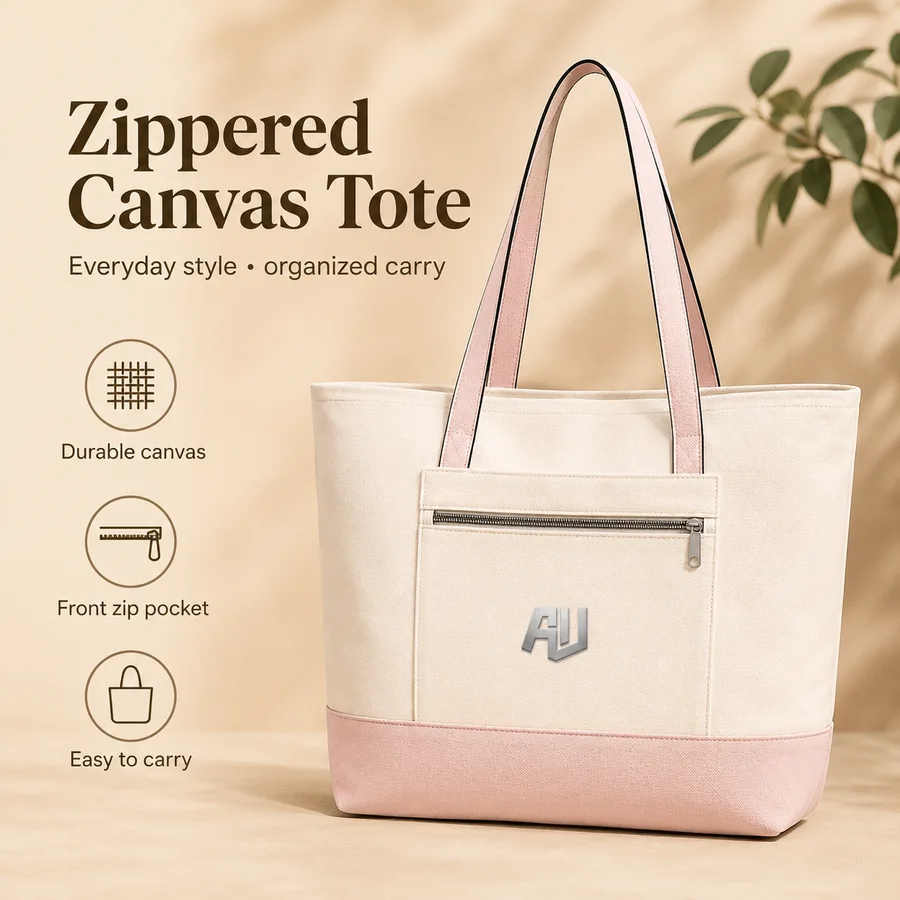
The stored tote chart gives an exterior envelope of 18 by 14 by 3 inches, or 756 cubic inches as a simple rectangular multiplication. That is not usable capacity: seams, the zip opening, lining and the way a soft bag changes shape all reduce or redistribute the space. Capacity remains unresolved until the opening and a documented packing test are measured.
canvas tote a capacity guide clearance worksheet
Measure capacity guide for the actual object, including openings, protrusions and the relevant storage or carrying space; show a worked example without transferring apparel measurements.
Measure a real packed example for canvas tote. Broad fit pages may absorb this topic if the search intent is the same.
- Define the capacity guide decision
- Inputs and exact source measurements
- Worked example and counterexample
- Result, missing information and next action
- Decision
- Measure and choose
- Method
- Measurement worksheet with worked example
- Steps
- Estimate useful capacity for a canvas tote | Distinguish dimensions from usable space | Check bag dimensions and handle length | Work through a real measured example | Compare with the exact product specification
- Evidence used
- Exact canvas tote listing chart/instructions; original endpoint diagrams. Any sample results require a real recorded measurement or test.
- Supporting material
- Annotated canvas tote dimension drawing | Actual product measurement or documented sample comparison
- Next action
- Shop the relevant Aurex collection
Compare before you choose
| Measurement | 18" x 14" x 4.5" |
|---|---|
| Width | 18.00 |
| Height | 14.00 |
| Depth | 4.50 |
Explore the pieces
Sources & product references
Illustrations are original explanatory drawings. Product images are listing references. Specifications and prices are dated checks; no physical wear, wash or durability test is implied.