
Back to school a casual layering decision worksheet
For back to school, solve closed-layer room, removal point and where the layer is carried. Use an explicit example itinerary and only the casual layering decision; link to other guides for unrelated garment care or general packing.
Distinct search focus: back to school a casual layering decision worksheet
artifact-led long-tail · Page-specific intent and artifact brief; search volume unverified
Evidence boundary
A clearly hypothetical back to school itinerary and a relevant garment diagram; verify destination rules or conditions if a real venue/date is named. Do not imply technical protective performance.
This resource records a decision. It does not invent a wear test, customer result, product rating or unavailable specification.
Plan your back to school clothing around the whole visit or day. Plan around the dress code, timetable and the bag you carry. A small rotation of pieces that work together is easier to manage than an outfit that needs every item to be clean at once.
Check the layers together
Try the base and outer piece as a closed outfit as well as an open one. Compare sleeve room, neck bulk and where the hems meet. Decide where the removed layer will go so a useful addition does not become an awkward object to carry for the rest of the day.
Make back to school the deciding context
Plan around the dress code, timetable and the bag you carry. A small rotation of pieces that work together is easier to manage than an outfit that needs every item to be clean at once.
Write down what changes between arrival, the main part of the day and the return. Change the clothing only where one of those stages gives it a clear purpose. That keeps the plan useful without turning a short visit into an unnecessarily large packing list.
Choose the graphic t-shirt details
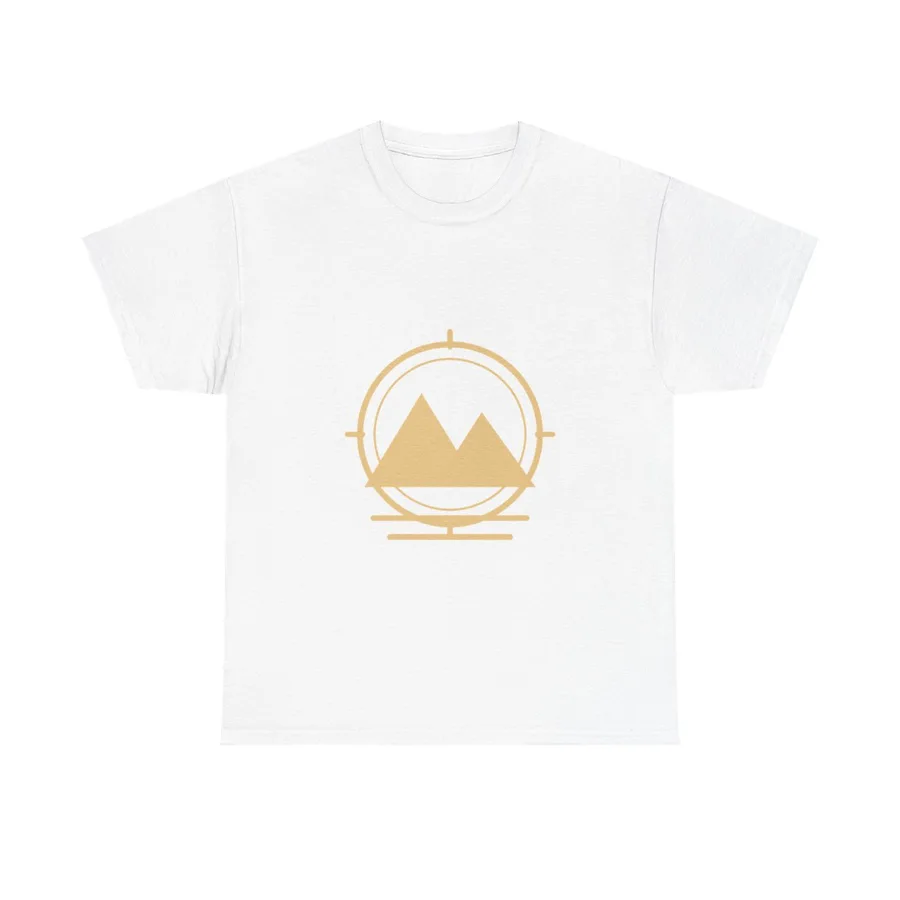
The print is the focal point, so its position matters alongside the shirt’s width. A comfortable chest measurement does not guarantee that an illustration sits where you expect: compare the top edge of the artwork with the neckline and the bottom edge with the hem.
The linked Mountain Trail Hiking Shirt | Minimal Outdoor Graphic Tee | Hiker Gift is a product reference for checking the specification. It is not an assurance of suitability for every version of back to school. Use the actual dimensions, current options and any venue or route requirements to make that decision.
What the available evidence resolves
Build around timetable, dress rules, storage, laundry, and commute. School season does not establish a student’s style or required uniform. Create a base that works alone, then add one layer for a stated condition. Check shoulder room and hem relationships in open and closed views. The back to school casual layering worksheet must recheck its reader action under “back to school a casual layering decision worksheet,” producing a visible comparison. A casual layering decision in back to school should document the comparison view; here that means “For back to school, solve closed-layer room, removal point and where the layer is carried. Use an explicit example itinerary and only the casual layering decision; link to other guides for unrelated garment care or general packing” and an evidence-backed next step. This seasonal planning study for back to school and casual layering treats “The back to school scenario and assumptions” within the source boundary, giving a reason to reject one option. For back to school with casual layering, map “The casual layering inputs” as the reversal condition and retain a condition that changes the answer. When back to school controls the setting, the casual layering record uses “Decision at each transition” to test its observed tradeoff and reach a check another reader can repeat. The back to school casual layering worksheet must review its final rationale around “A usable checklist and limits,” producing a boundary on the recommendation. A casual layering decision in back to school should measure the starting condition; here that means “Choose for season” and a reproducible choice. This seasonal planning study for back to school and casual layering treats “Refresh this evergreen seasonal URL with a material new product edit and actual seasonal reasoning. Avoid separate annual clones” across the visible boundary, giving a stated limitation. For back to school with casual layering, compare “Scope: school dress rules and everyday use | Current products suitable for casual layering | Original examples with practical context | Updated availability or delivery notes | Evergreen fit and care links” as the charted dimension and retain a visible comparison. When back to school controls the setting, the casual layering record uses “A clearly hypothetical back to school itinerary and a relevant garment diagram; verify destination rules or conditions if a real venue/date is named. Do not imply technical protective performance” to photograph its required asset and reach an evidence-backed next step. The back to school casual layering worksheet must inventory its decision threshold alongside “Current season editorial image | Verified outfit or gift selection,” producing a reason to reject one option. A casual layering decision in back to school should sequence the unresolved fact; here that means “Shop the relevant Aurex collection” and a condition that changes the answer. This seasonal planning study for back to school and casual layering treats “Plan 01 · simple rotation” under the single changed variable, giving a check another reader can repeat. For back to school with casual layering, isolate “graphic t-shirt” as the held-constant element and retain a boundary on the recommendation. When back to school controls the setting, the casual layering record uses “plain straight trousers” to score its practical constraint and reach a reproducible choice. The back to school casual layering worksheet must trace its listing disclosure separately from “appropriate familiar footwear,” producing a stated limitation. A casual layering decision in back to school should recheck the reader action; here that means “one removable layer” and a visible comparison. This seasonal planning study for back to school and casual layering treats “A compact clothing concept for back to school; use the actual requirements to choose the pieces” around the comparison view, giving an evidence-backed next step. For back to school with casual layering, rank “Plan 02 · a separate next stage” as the source boundary and retain a reason to reject one option. When back to school controls the setting, the casual layering record uses “graphic t-shirt” to map its reversal condition and reach a condition that changes the answer. The back to school casual layering worksheet must test its observed tradeoff in relation to “clean change in a separate pouch,” producing a check another reader can repeat. A casual layering decision in back to school should review the final rationale; here that means “removable layer” and a boundary on the recommendation. This seasonal planning study for back to school and casual layering treats “bag with usable opening” alongside the starting condition, giving a reproducible choice. For back to school with casual layering, annotate “Keep the next part of the day’s clothing accessible and separated from used items” as the visible boundary and retain a stated limitation. When back to school controls the setting, the casual layering record uses “Mountain Trail Hiking Shirt” to compare its charted dimension and reach a visible comparison. The back to school casual layering worksheet must photograph its required asset without obscuring “back to school a casual layering decision worksheet,” producing an evidence-backed next step. A casual layering decision in back to school should inventory the decision threshold; here that means “For back to school, solve closed-layer room, removal point and where the layer is carried. Use an explicit example itinerary and only the casual layering decision; link to other guides for unrelated garment care or general packing” and a reason to reject one option. This seasonal planning study for back to school and casual layering treats “The back to school scenario and assumptions” separately from the unresolved fact, giving a condition that changes the answer. For back to school with casual layering, verify “The casual layering inputs” as the single changed variable and retain a check another reader can repeat. When back to school controls the setting, the casual layering record uses “Decision at each transition” to isolate its held-constant element and reach a boundary on the recommendation.
Plan 01 · simple rotation
- graphic t-shirt
- plain straight trousers
- appropriate familiar footwear
- one removable layer
A compact clothing concept for back to school; use the actual requirements to choose the pieces.
Plan 02 · a separate next stage
- graphic t-shirt
- clean change in a separate pouch
- removable layer
- bag with usable opening
Keep the next part of the day’s clothing accessible and separated from used items.
back to school a casual layering decision worksheet
For back to school, solve closed-layer room, removal point and where the layer is carried. Use an explicit example itinerary and only the casual layering decision; link to other guides for unrelated garment care or general packing.
Refresh this evergreen seasonal URL with a material new product edit and actual seasonal reasoning. Avoid separate annual clones.
- The back to school scenario and assumptions
- The casual layering inputs
- Decision at each transition
- A usable checklist and limits
- Decision
- Choose for season
- Method
- Scenario-specific timeline and checklist
- Steps
- Scope: school dress rules and everyday use | Current products suitable for casual layering | Original examples with practical context | Updated availability or delivery notes | Evergreen fit and care links
- Evidence used
- A clearly hypothetical back to school itinerary and a relevant garment diagram; verify destination rules or conditions if a real venue/date is named. Do not imply technical protective performance.
- Supporting material
- Current season editorial image | Verified outfit or gift selection
- Next action
- Shop the relevant Aurex collection
Compare before you choose
| Stage | Clothing decision | Check |
|---|---|---|
| Before leaving | Base outfit and accessible layer | Venue rules, conditions and the first stage |
| During the visit | Remove or add the planned layer | Comfort, carrying space and usable pockets |
| Return or next stop | Clean change if your routine calls for one | Keep it separate from used clothing |
Explore the pieces
Sources & product references
- Mountain Trail Hiking Shirt | Minimal Outdoor Graphic Tee | Hiker Gift — specifications and options checked 11 September 2026 ↗
- FTC: Textile Fiber Rule ↗
Illustrations are original explanatory drawings. Product images are listing references. Specifications and prices are dated checks; no physical wear, wash or durability test is implied.