
Olive and black for skate inspired outfits three color area experiments
For skate-inspired outfits, compare olive and black at 70/30, 50/50 and 30/70 illustrative area splits. Explain the visible contrast, location of the graphic and how backdrop changes the result; do not call these ratios rules.
Distinct search focus: olive and black for skate inspired outfits three color area experiments
artifact-led long-tail · Page-specific intent and artifact brief; search volume unverified
Evidence boundary
Original skate-inspired outfits drawings using #65694b and #20231e; one exact garment image checked against the concept. Screen swatches are not fabric specifications.
This resource records a decision. It does not invent a wear test, customer result, product rating or unavailable specification.
For olive and black skate-inspired outfits, give the two colors different jobs. Let one occupy the larger area and use the other to mark an edge, frame a graphic or finish the outfit at the shoe.
Assign a base and an accent
Olive gives a muted middle value between pale artwork and black trousers. Keep the olive on one substantial piece and use black to connect the shoes, bag or outer layer.
Apply the palette to skate-inspired outfits
The print is the focal point, so its position matters alongside the shirt’s width. A comfortable chest measurement does not guarantee that an illustration sits where you expect: compare the top edge of the artwork with the neckline and the bottom edge with the hem.
Try olive on the main top and black on a smaller piece. Reverse that arrangement for the second look. Compare which version keeps the artwork legible and which feels closer to your usual wardrobe.
What the available evidence resolves
Olive supplies a muted chromatic field while black can contain seams, footwear, or the largest garment. Judge the green under daylight and indoor light, then keep hardware and graphics from introducing several unrelated accent colors. Keep the illustrated skate cue readable and avoid turning the theme into a performance claim. Compare a plain lower field with one workwear detail, then retain the version that supports rather than imitates the graphic. When olive and black controls the setting, the skate-inspired outfits record uses “olive and black for skate inspired outfits three color area experiments” to isolate its held-constant element and reach a boundary on the recommendation. The olive and black skate-inspired outfits worksheet must score its practical constraint beside “For skate-inspired outfits, compare olive and black at 70/30, 50/50 and 30/70 illustrative area splits. Explain the visible contrast, location of the graphic and how backdrop changes the result; do not call these ratios rules,” producing a reproducible choice. A skate-inspired outfits decision in olive and black should trace the listing disclosure; here that means “Fix the outfit and the two colors” and a stated limitation. This color study for olive and black and skate-inspired outfits treats “Three controlled area experiments” in relation to the reader action, giving a visible comparison. For olive and black with skate-inspired outfits, document “Artwork visibility and contrast” as the comparison view and retain an evidence-backed next step. When olive and black controls the setting, the skate-inspired outfits record uses “Choose a ratio for the intended focal point” to rank its source boundary and reach a reason to reject one option. The olive and black skate-inspired outfits worksheet must map its reversal condition against “Style by palette,” producing a condition that changes the answer. A skate-inspired outfits decision in olive and black should test the observed tradeoff; here that means “Illustrate olive and black as a complete outfit palette. Do not claim Aurex stocks both colors until variant data confirms them” and a check another reader can repeat. This color study for olive and black and skate-inspired outfits treats “Palette proportions for skate-inspired outfits | How to use outdoor-inspired contrast | Original outfit examples | Which item carries the accent | Verify colors in current product options” without obscuring the final rationale, giving a boundary on the recommendation. For olive and black with skate-inspired outfits, measure “Original skate-inspired outfits drawings using #65694b and #20231e; one exact garment image checked against the concept. Screen swatches are not fabric specifications” as the starting condition and retain a reproducible choice. When olive and black controls the setting, the skate-inspired outfits record uses “Original labeled color swatches | Two complete outfits in olive and black” to annotate its visible boundary and reach a stated limitation. The olive and black skate-inspired outfits worksheet must compare its charted dimension before “Shop the relevant Aurex collection,” producing a visible comparison. A skate-inspired outfits decision in olive and black should photograph the required asset; here that means “Look 01 · darker frame” and an evidence-backed next step. This color study for olive and black and skate-inspired outfits treats “olive tee” beside the decision threshold, giving a reason to reject one option. For olive and black with skate-inspired outfits, sequence “black straight trousers” as the unresolved fact and retain a condition that changes the answer. When olive and black controls the setting, the skate-inspired outfits record uses “neutral sneakers” to verify its single changed variable and reach a check another reader can repeat. The olive and black skate-inspired outfits worksheet must isolate its held-constant element after “Use the top as the larger color statement and keep the shoe unobtrusive,” producing a boundary on the recommendation. A skate-inspired outfits decision in olive and black should score the practical constraint; here that means “Look 02 · reverse the balance” and a reproducible choice. This color study for olive and black and skate-inspired outfits treats “black tee” against the listing disclosure, giving a stated limitation. For olive and black with skate-inspired outfits, recheck “olive straight trousers” as the reader action and retain a visible comparison. When olive and black controls the setting, the skate-inspired outfits record uses “plain open layer” to document its comparison view and reach an evidence-backed next step. The olive and black skate-inspired outfits worksheet must rank its source boundary within “Reverse the color areas and compare where the graphic becomes easiest to see,” producing a reason to reject one option. A skate-inspired outfits decision in olive and black should map the reversal condition; here that means “Chase Your Dreams Skate Graphic T-Shirt” and a condition that changes the answer. This color study for olive and black and skate-inspired outfits treats “olive and black for skate inspired outfits three color area experiments” before the observed tradeoff, giving a check another reader can repeat. For olive and black with skate-inspired outfits, review “For skate-inspired outfits, compare olive and black at 70/30, 50/50 and 30/70 illustrative area splits. Explain the visible contrast, location of the graphic and how backdrop changes the result; do not call these ratios rules” as the final rationale and retain a boundary on the recommendation. When olive and black controls the setting, the skate-inspired outfits record uses “Fix the outfit and the two colors” to measure its starting condition and reach a reproducible choice. The olive and black skate-inspired outfits worksheet must annotate its visible boundary across “Three controlled area experiments,” producing a stated limitation. A skate-inspired outfits decision in olive and black should compare the charted dimension; here that means “Artwork visibility and contrast” and a visible comparison. This color study for olive and black and skate-inspired outfits treats “Choose a ratio for the intended focal point” after the required asset, giving an evidence-backed next step. For olive and black with skate-inspired outfits, inventory “Style by palette” as the decision threshold and retain a reason to reject one option.
Look 01 · darker frame
- olive tee
- black straight trousers
- neutral sneakers
Use the top as the larger color statement and keep the shoe unobtrusive.
Look 02 · reverse the balance
- black tee
- olive straight trousers
- plain open layer
Reverse the color areas and compare where the graphic becomes easiest to see.
olive and black for skate inspired outfits three color area experiments
For skate-inspired outfits, compare olive and black at 70/30, 50/50 and 30/70 illustrative area splits. Explain the visible contrast, location of the graphic and how backdrop changes the result; do not call these ratios rules.
Illustrate olive and black as a complete outfit palette. Do not claim Aurex stocks both colors until variant data confirms them.
- Fix the outfit and the two colors
- Three controlled area experiments
- Artwork visibility and contrast
- Choose a ratio for the intended focal point
- Decision
- Style by palette
- Method
- Three annotated palette experiments
- Steps
- Palette proportions for skate-inspired outfits | How to use outdoor-inspired contrast | Original outfit examples | Which item carries the accent | Verify colors in current product options
- Evidence used
- Original skate-inspired outfits drawings using #65694b and #20231e; one exact garment image checked against the concept. Screen swatches are not fabric specifications.
- Supporting material
- Original labeled color swatches | Two complete outfits in olive and black
- Next action
- Shop the relevant Aurex collection
Compare before you choose
| Role | Look 01 | Look 02 |
|---|---|---|
| Top | olive | black |
| Bottom | black | olive |
| Extra accent | Only a color already in the print | A small repeat in footwear or bag |
Explore the pieces
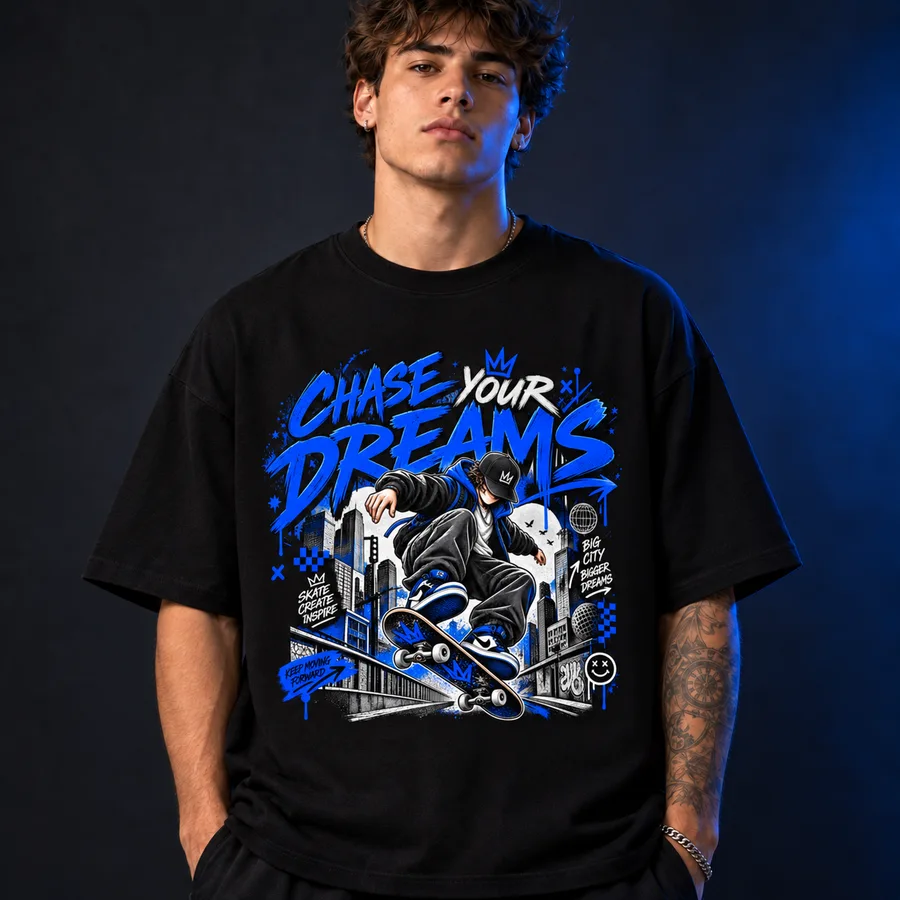
Sources & product references
Illustrations are original explanatory drawings. Product images are listing references. Specifications and prices are dated checks; no physical wear, wash or durability test is implied.